Gorilla trekking in Uganda
An hour with the mountain gorillas.
Everything you need to plan it: official permit prices and rules, what the day in Bwindi is really like, and honest advice from a local Ugandan team.
What it is
The most powerful wildlife encounter in Africa.
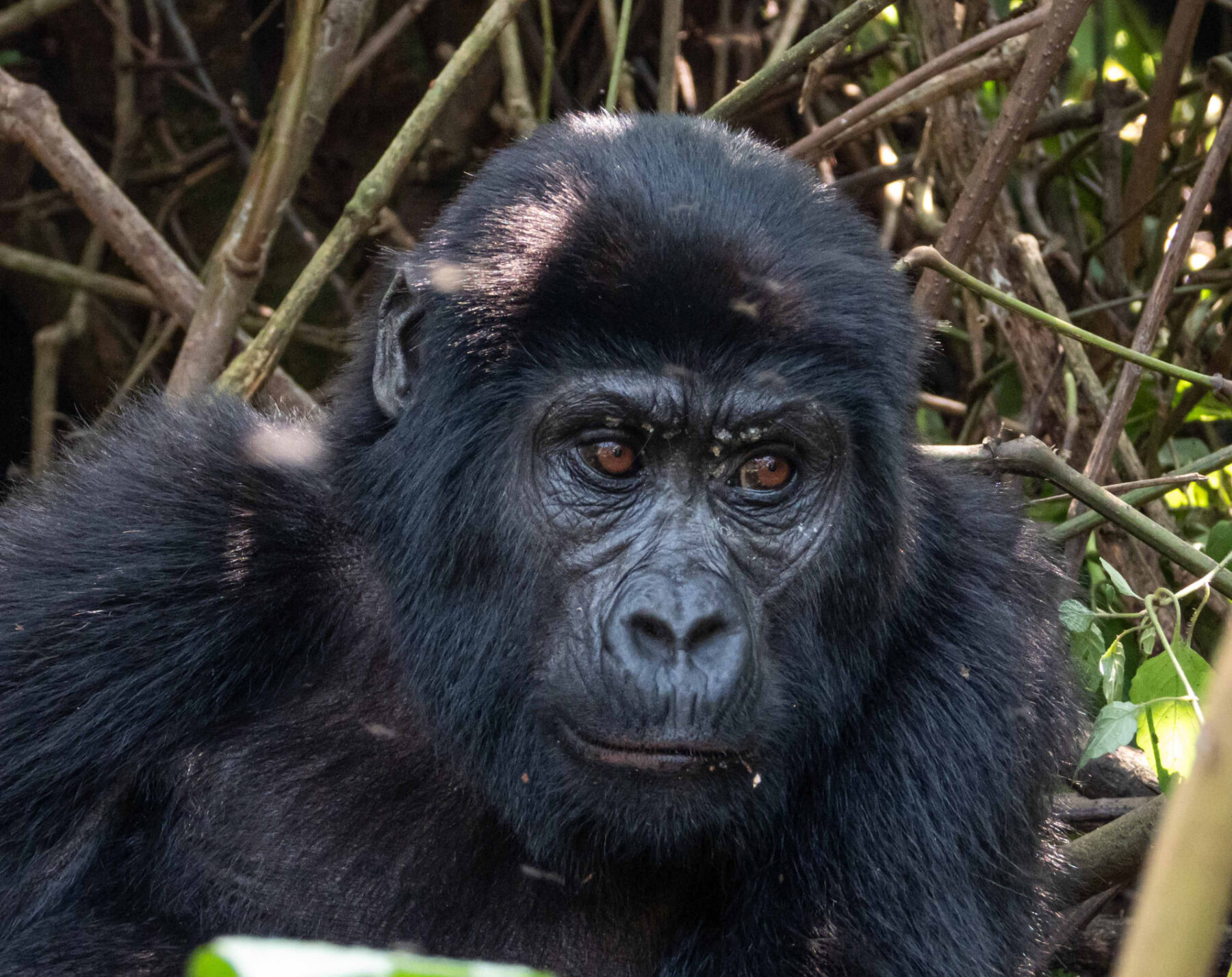
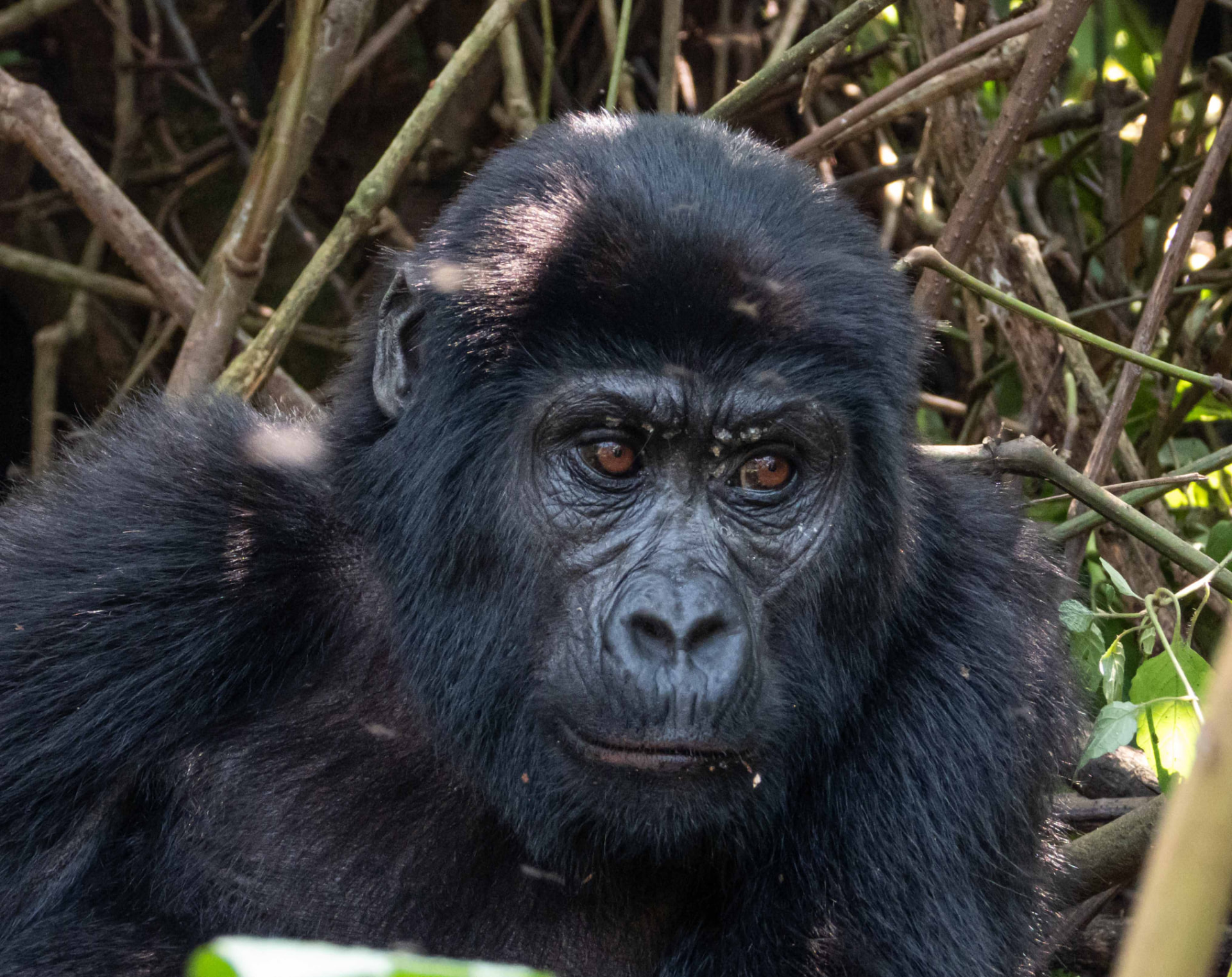
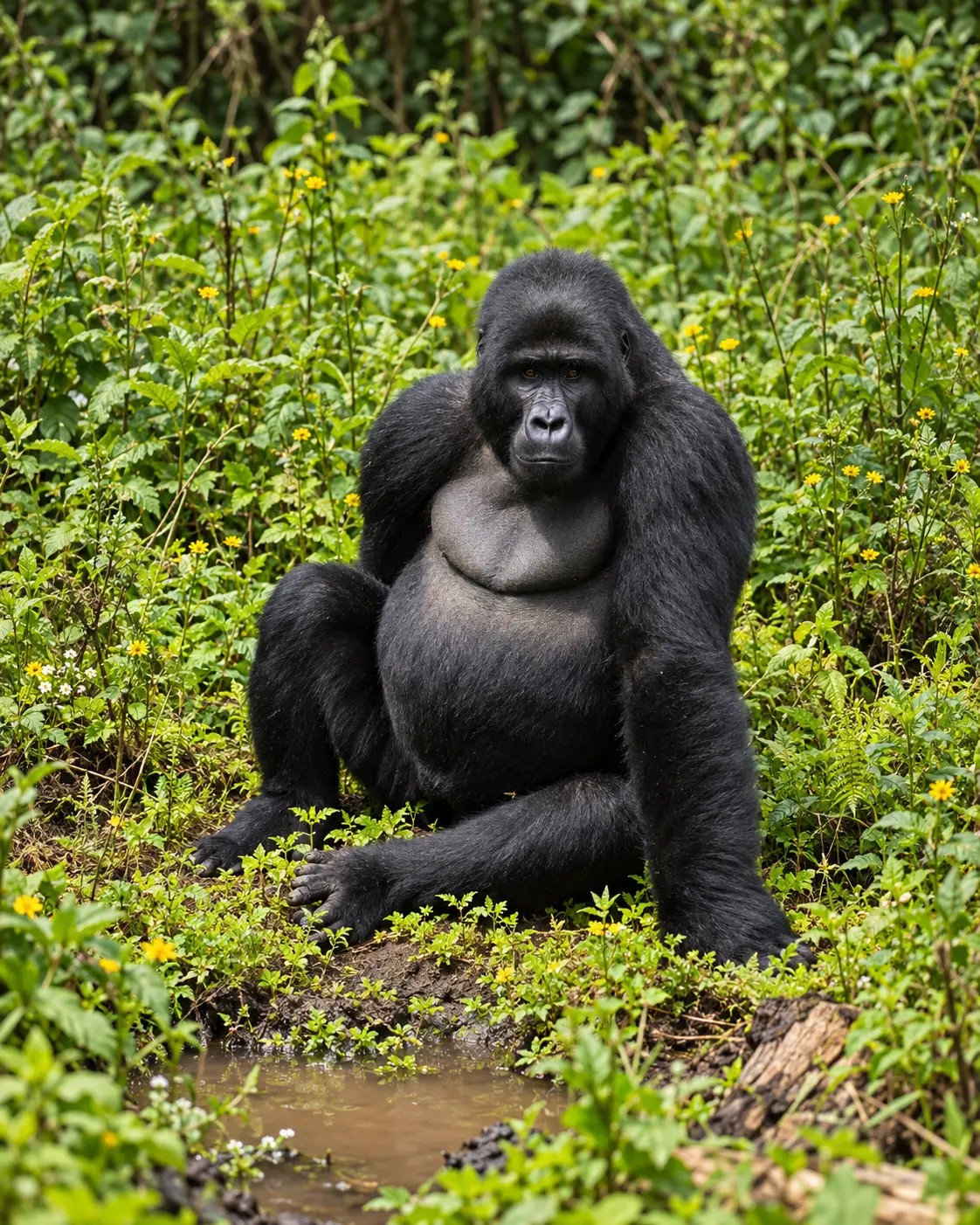
Gorilla trekking means walking into the rainforest with Uganda Wildlife Authority rangers to find a habituated family of mountain gorillas — and spending one carefully protected hour with them. Uganda is home to roughly half of the world's remaining mountain gorillas, most of them in Bwindi Impenetrable National Park.
It is not a show and it is never guaranteed. The gorillas are wild, the forest is dense, and the rangers set the pace. That is exactly what makes the hour so extraordinary.
Permits
Official permit prices and rules.
Permits are issued by the Uganda Wildlife Authority (UWA) and the price is the same whoever you travel with. These are the figures from UWA's official tariff announcement of 26 February 2026:
Low season
$600
Gorilla tracking permit for international visitors travelling in April, May or November. Low-season permits cannot be rescheduled.
From 1 January 2027
$800
UWA's revised tariff for gorilla tracking (international visitors). Gorilla habituation — up to four hours with a semi-habituated family — will be $1,800.
How booking works
Permits are limited per day and sell out months ahead in popular seasons. UWA has suspended the old seven-day reservation window: permits are now secured on full payment at the time of booking, through a licensed Ugandan operator. We confirm your permit before anything else is finalised.
Prices are set nationally by UWA and can change; we always confirm the current rate when we plan your trip. Permit revenue funds the rangers and conservation work that protect the gorillas.
The day of the trek
What actually happens in Bwindi.
- 01
Morning briefing
You meet the UWA rangers at the park headquarters, are assigned a gorilla family and a group of up to eight visitors, and hear the rules that protect the gorillas.
- 02
The walk
The trek can take anything from under an hour to most of the day, depending on where the family spent the night. The forest is steep and can be muddy — porters are available and hiring one supports the local community.
- 03
The hour
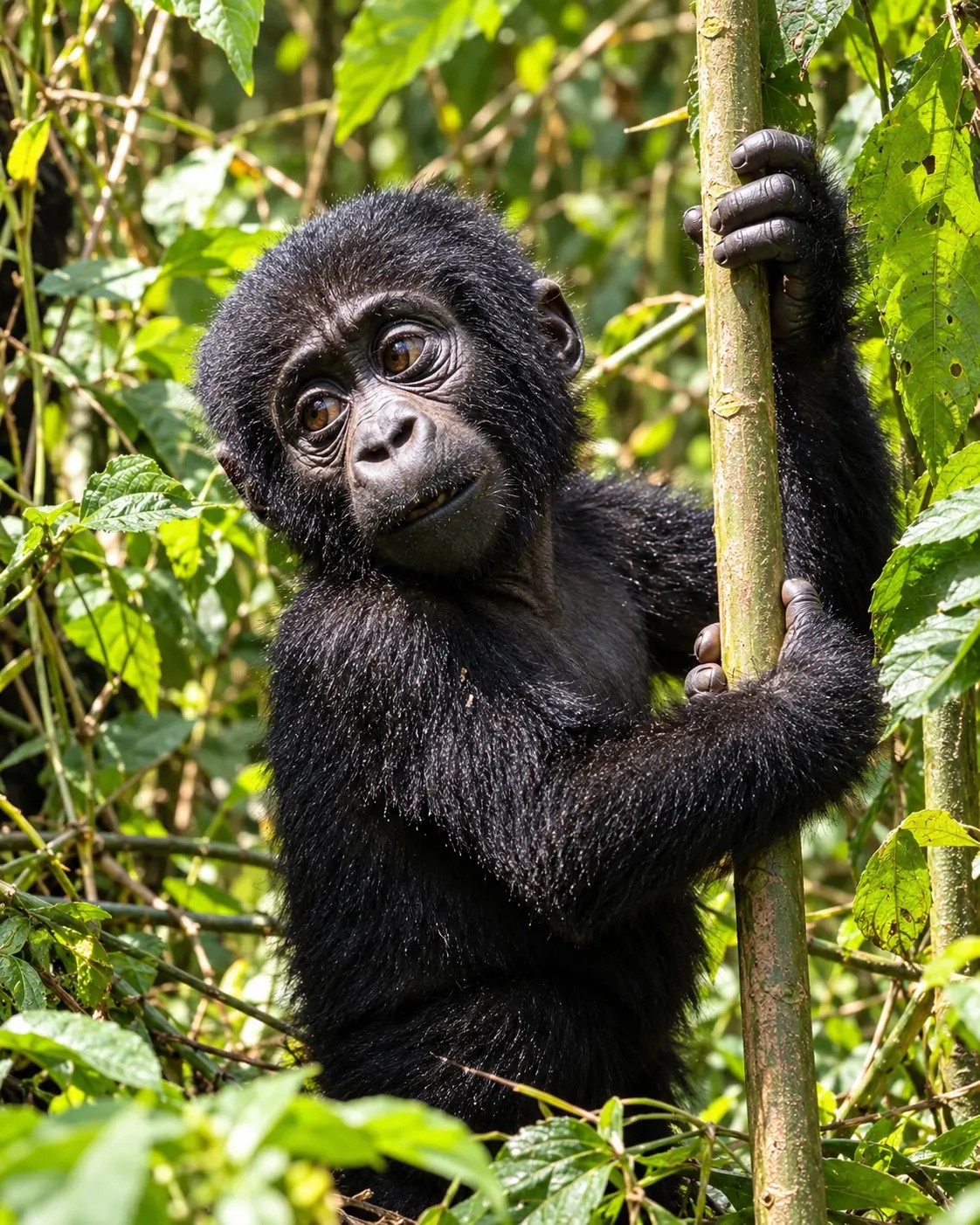
When the rangers find the family, you spend one hour with them: watching, photographing quietly, keeping the required distance. The hour is limited to protect the gorillas from stress and human illness.
- 04
Back again
You walk back at your own pace. Most travellers describe the hour as one of the most moving experiences of their lives — we simply let the forest do the talking.
Honest answers
The questions everyone asks.
How difficult is it?
Moderately demanding. You need to be comfortable walking on steep, uneven ground for a few hours, but you don't need to be an athlete. Rangers adjust the pace to the group, and families closer to the trailheads can be requested for less mobile travellers.
When is the best time?
The drier months — roughly June to September and December to February — make walking easier. April, May and November are wetter but quieter, and the low-season permit rate applies.
Is it ethical?
Done properly, yes. Strict rules — small groups, one hour, minimum distance, no trekking when ill — exist to protect the gorillas, and permit revenue funds their protection. We follow those rules without exception: the gorillas' welfare comes before any photograph.
Keep reading
Our detailed gorilla trekking guides.
Gorilla trekking in Bwindi: what to expect
A fuller account of the day, the forest and how we prepare you.
Read the guideUganda or Rwanda for gorilla trekking?
An honest comparison from a team that knows both.
Read the guide